Radar vs LIDAR: Defense Strategies for Speed Tickets
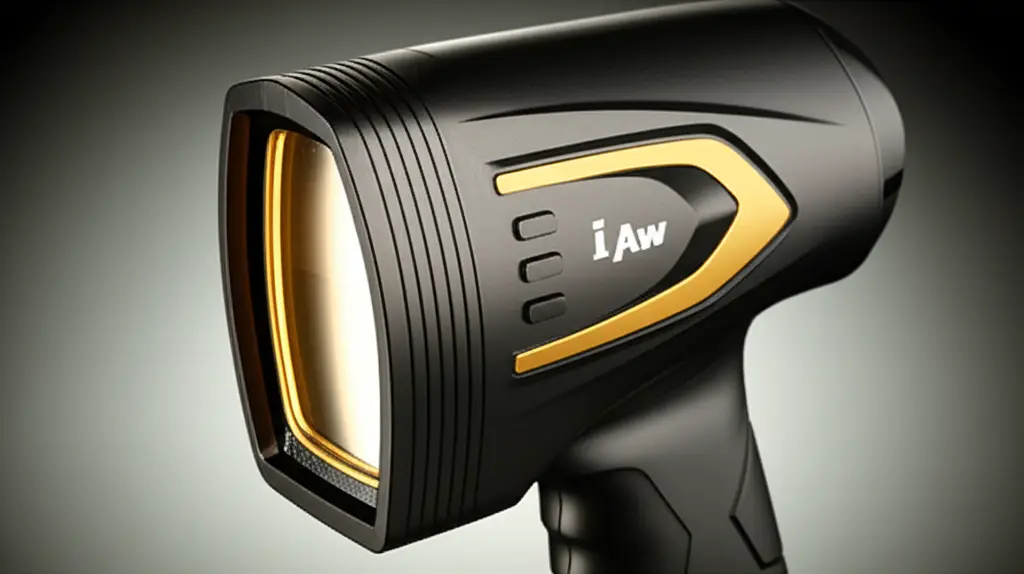
Knowing how radar and LIDAR work is the starting point for a real defense against a speeding ticket. Both technologies have weaknesses you can use.
How Radar Works
Radar (Radio Detection and Ranging) works by emitting radio waves in a wide cone pattern. These waves bounce off vehicles and return to the device, where the speed is calculated based on the Doppler effect (the shift in frequency of the returning waves). Officers can use radar while stationary or from a moving patrol car.
Radar Weaknesses You Can Challenge
Radar's wide beam is its Achilles' heel. Because it covers a broad area, the device can easily pick up a larger vehicle nearby, such as a truck in the next lane, instead of your car. In traffic, radar often locks onto the fastest vehicle in range, which may not be yours.
Environmental interference is another significant weakness. Power lines, radio towers, and other electronic sources can affect radar readings. The "cosine effect" also works in your favor: when an officer measures your speed from an angle (which they almost always do), the reading actually underestimates your true speed.
Finally, radar devices require regular calibration with tuning forks. If the officer can't produce recent calibration records, that's a powerful argument for dismissal.
How LIDAR Works
LIDAR (Light Detection and Ranging) uses an infrared laser beam instead of radio waves. The device takes multiple distance measurements in rapid succession and calculates your speed based on how quickly the distance changes. Unlike radar's wide cone, LIDAR requires the officer to aim precisely at a specific vehicle.
LIDAR Weaknesses You Can Challenge
The precision LIDAR requires is also its vulnerability. "Sweep error" occurs when the officer moves the device even slightly during measurement, creating artificially high speed readings. This is more common than you might think, especially when officers are targeting multiple vehicles.
Target acquisition errors happen when the laser hits a reflective surface such as a license plate or side mirror at an angle, which produces inaccurate results. LIDAR accuracy also decreases at longer ranges, and weather conditions like rain, fog, or dust can significantly affect readings.
Perhaps most importantly, LIDAR requires proper training and technique. Many officers receive minimal training, and even small errors in how they hold or aim the device can produce inaccurate readings.
Building Your Defense
Challenging Radar Evidence
Your defense should focus on demanding documentation. Request the device's calibration records. When was it last calibrated, and by whom? Ask whether tuning fork tests were performed before and after the officer's shift, as required by department policy.
Environmental factors matter too. Were there other vehicles nearby that could have triggered the reading? What was the officer's distance from your vehicle, and at what angle? Were there any potential interference sources nearby, such as power lines, radio towers, or large buildings?
Challenging LIDAR Evidence
LIDAR defenses often focus on targeting accuracy. Ask the officer exactly what part of your vehicle they targeted: front bumper, license plate, headlight? The answer matters because different surfaces produce different readings. Also question the distance at which the reading was taken, as LIDAR accuracy degrades at longer ranges.
Weather conditions and calibration are equally important. Was the device properly calibrated that day? Is the officer certified on the specific LIDAR model used? Many departments use multiple LIDAR models, and officers may not be trained on all of them.
Calibration Records: Your Key Defense Tool
Both radar and LIDAR require regular calibration to maintain accuracy. In California, you have the right to request device calibration certificates, the officer's training and certification records, daily calibration logs for the shift in question, and manufacturer specifications with accuracy ratings.
If the prosecution can't produce these records, or if there are gaps in the calibration history, that's powerful evidence for dismissal. Many tickets are thrown out simply because proper documentation wasn't maintained.
Build Your Technical Defense
TicketFight AI automatically incorporates technical challenges to radar and LIDAR evidence in your defense. Our AI knows which arguments work best for each measurement method and builds the challenge around them.
Generate Your DefenseCommon questions
Frequently asked questions
Can radar guns be wrong?
Yes, radar guns can be wrong. Common error sources include: interference from other vehicles, power lines, or electronic devices; calibration drift; operator error; and the 'cosine effect' when not aimed directly at the vehicle. Typical accuracy is within 1-2 mph when properly calibrated.
Is LIDAR more accurate than radar?
LIDAR is generally more accurate than radar because it uses a focused laser beam instead of a wide radio wave. However, LIDAR has its own weaknesses: it requires a steady aim, can hit the wrong target in traffic, and can reflect off unintended surfaces like license plates or mirrors.
How do I fight a radar speeding ticket?
To fight a radar ticket: request calibration records for the device, question the officer's training certification, identify potential interference sources (other vehicles, power lines, buildings), challenge the officer's ability to identify your vehicle, and question whether proper procedures were followed.